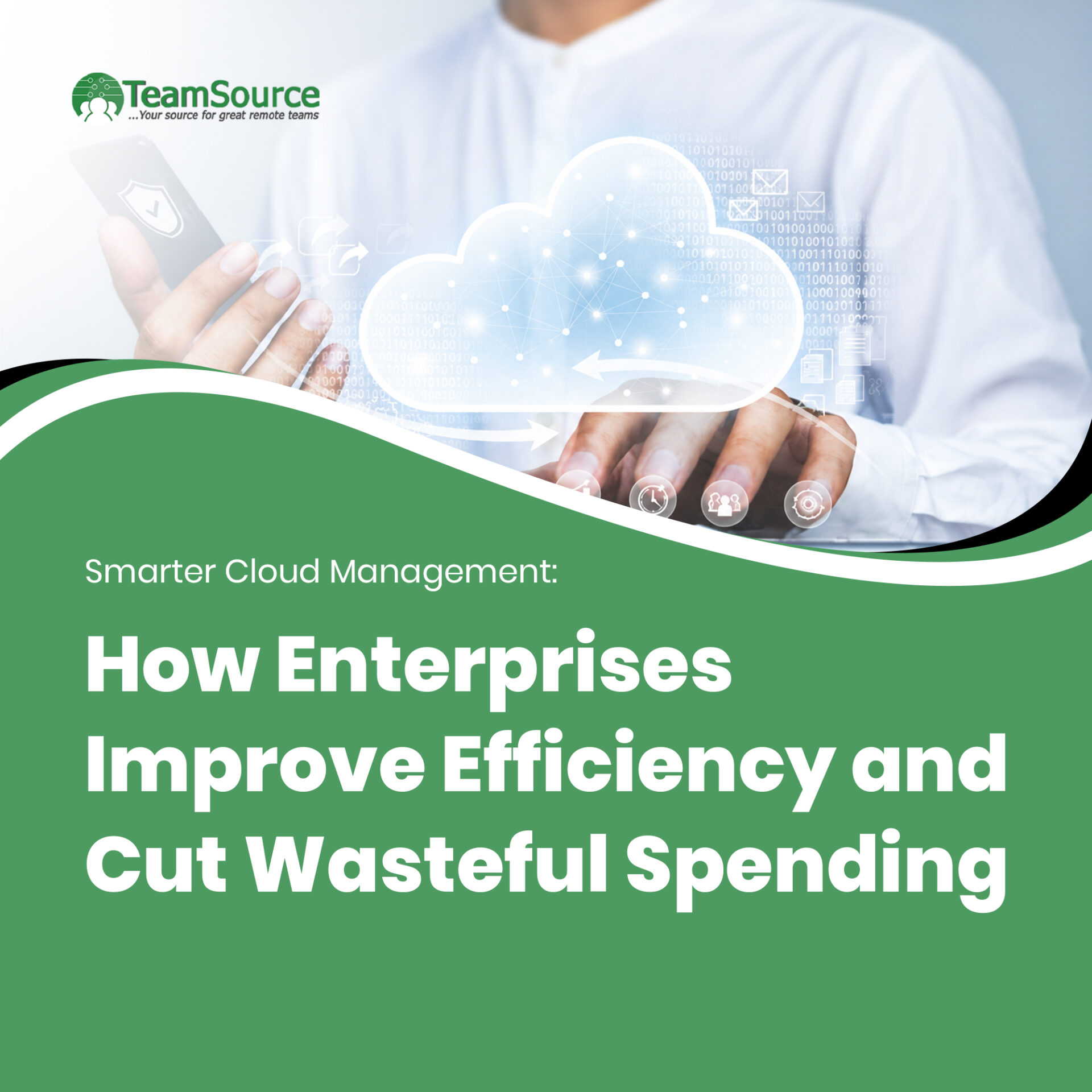
As businesses continue to adopt cloud computing, many are realizing that simply moving to the cloud is not enough. Without proper control and optimization, cloud environments can quickly become expensive, inefficient, and difficult to manage. This is why smarter cloud management has become a critical priority for modern enterprises.
Cloud platforms offer flexibility and scalability, but they also introduce challenges such as unused resources, over-provisioning, and lack of visibility into spending. These issues often lead to wasteful costs that impact overall business performance.
The Problem of Cloud Waste
Many organizations struggle with uncontrolled cloud usage. Teams often deploy resources without proper monitoring, leading to unnecessary expenses.
Common causes of cloud waste include:
- Over-provisioned virtual machines
- Unused storage and resources
- Lack of cost tracking and visibility
- Poor workload optimization
- Inefficient scaling strategies
Over time, these inefficiencies significantly increase operational costs and reduce the value businesses get from their cloud investments.
How Smarter Cloud Management Improves Efficiency
Smarter cloud management focuses on optimizing resources, improving visibility, and controlling costs without affecting performance.
Key benefits include:
- Better resource allocation based on actual demand
- Real-time monitoring of cloud usage
- Automated scaling to match workload needs
- Improved cost visibility and reporting
- Elimination of unused or idle resources
By implementing structured cloud management practices, businesses can ensure that every resource is actively contributing to performance and value.
Cost Optimization Through Visibility and Control
One of the most important aspects of cloud efficiency is visibility. When businesses understand how resources are being used, they can make informed decisions to reduce waste.
Cost optimization strategies include:
- Tracking usage across departments
- Setting budgets and alerts
- Identifying underutilized resources
- Optimizing storage and compute usage
These practices help enterprises maintain financial control while still benefiting from cloud flexibility.
Supporting Business Growth and Scalability
Smarter cloud management does not only reduce costs, it also improves scalability. Businesses can scale operations up or down based on demand without overpaying for unused capacity.
This flexibility is essential for growing organizations that need to balance performance with budget efficiency.
How TeamSource Technologies Helps
Managing cloud environments effectively requires expertise, strategy, and continuous optimization. TeamSource Technologies helps enterprises design and implement cloud solutions that improve efficiency, reduce wasteful spending, and enhance operational control.
By aligning cloud infrastructure with business goals, TeamSource ensures that organizations get maximum value from their cloud investments while maintaining performance and reliability.
Conclusion
Smarter cloud management is no longer optional. It is essential for enterprises looking to stay competitive, reduce unnecessary costs, and improve operational efficiency. With the right strategy, businesses can transform their cloud environment into a cost-effective and high-performance system.