As digital transformation reshapes financial practices worldwide, governments are making e-invoicing mandatory to improve efficiency and tax reporting visibility.
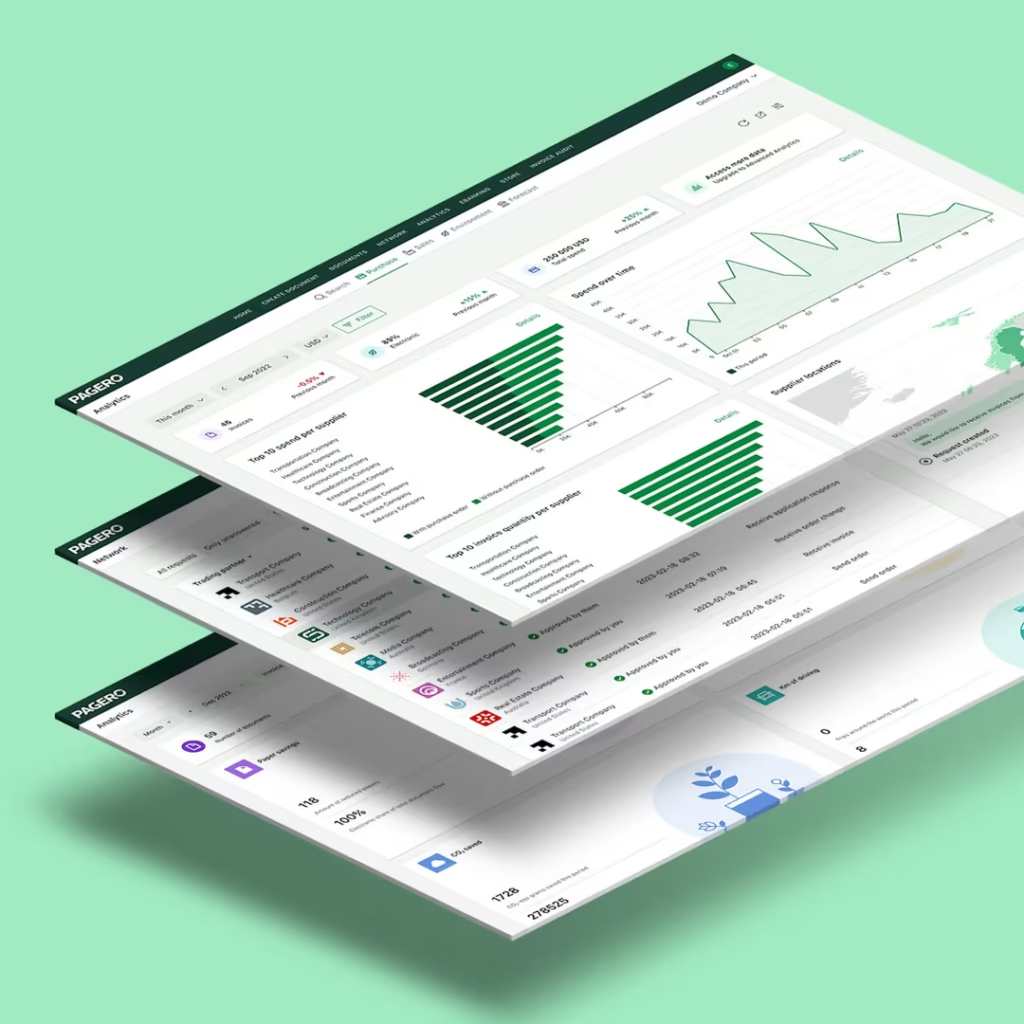
E-invoicing, or electronic invoicing, refers to the process of issuing, transmitting and receiving invoices in a structured electronic format that allows for automatic and electronic processing. This digital approach replaces traditional paper and PDF invoices, offering a streamlined, cost-effective and efficient method of handling invoices. Additionally, many governments are now mandating e-invoicing as part of broader efforts to enhance tax compliance, reduce fraud and increase transparency. Read on as we explore the ins and outs of electronic invoicing.
The role of invoices in business
To understand how e-invoicing differs from traditional invoicing, let’s first define an invoice. An invoice is a financial document issued by a supplier to a buyer, detailing the goods or services provided, their quantities and the agreed-upon prices. It serves as a request for payment, listing payment terms and the due date. It may also include information about the taxes that are due on the purchase. Invoices are essential for maintaining accurate financial records and ensuring proper business transactions.
Tax administrations are moving away from passive record-keeping (where they only look at invoices during a periodic tax audit) to active, real time intervention.
Digital Validation: Under modern digital mandates such as Nigeria Revenue Servicee-invoicing framework invoices are no longer private notes. They must be transmitted live to the tax authority’s portal to receive a Invoice Reference Number (IRN) and a QR code before they are legally valid.
Machine Readability:
Tax administrations view paper or unformatted PDFs as opaque; they require structured, machine readable data streams so automated systems can cross match what a supplier reports as sales against what a buyer claims as expenses
How do e-invoices differ from traditional invoices?
What is not considered an electronic invoice?
While man many forms of digital invoicing exist, our definition of true e-invoicing specifically refers to invoices exchanged in a structured data format using a secure channel. This is crucial for ensuring there are no delivery failures, preventing interception, and enabling full automation and seamless integration between systems. In contrast, several common invoicing methods fall short of this definition:
PDF (and other image files) invoices
PDF invoices sent by email are often seen as a step toward digitalization but are not true e-invoices. Although digital, they still require manual data entry or the use of OCR (Optical Character Recognition) technology to extract information, which introduces inefficiencies and increases the risk of errors.
Structured invoices sent via email
Even when invoices are created in structured data formats like XML or UBL, sending them through email still falls short of true e-invoicing standards. Emails are not secure, making them susceptible to interception, phishing, and spam filters. They also lack the traceability and delivery assurance provided by secure e-invoicing networks.
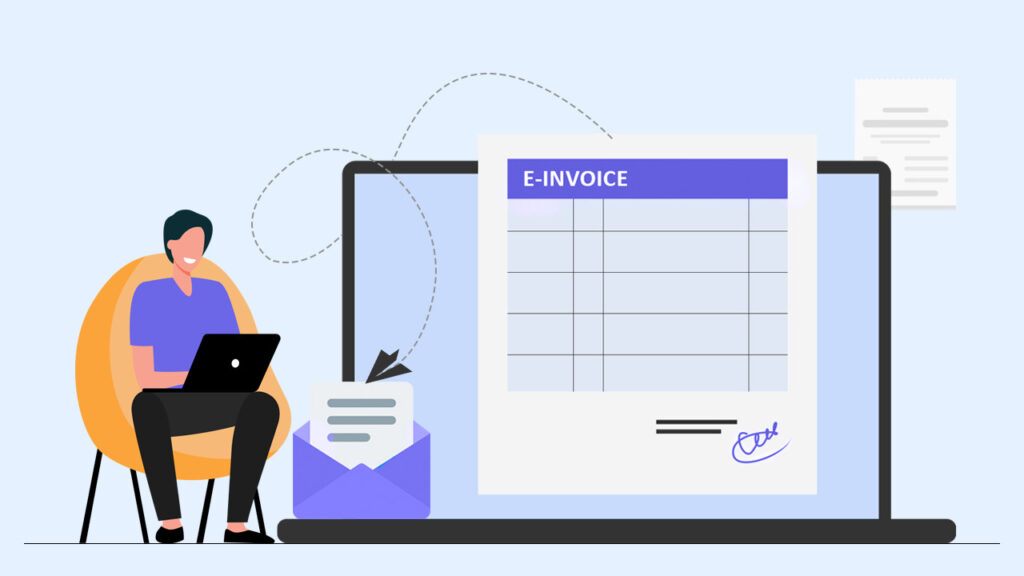
A digital document that facilitates seamless exchange of invoice information between a supplier and a buyer.
How does e-invoicing work?
E-invoicing streamlines financial operations by facilitating systematic management ofaccounts payable ( AP) and accounts receivable (AR) through digitalized workflows. This approach increases efficiency and accuracy in both customer and supplier invoicing.
Here’s a step-by-step overview of how it works for both outgoing and incoming invoices:
Sending e-invoices
- Invoice generation: The process begins with the creation of an electronic invoice within an ERP system or e-invoicing platform. This invoice is used to bill the customer for the goods or services they have provided.
- Integration and data delivery: The e-invoice is transmitted to the customer via an operator in a structured data format using secure, integrated solutions. This ensures that the data is delivered accurately and maintains its integrity.
- Validation: Before reaching the customer, the e-invoice undergoes automated validation to ensure it meets regulatory requirements and compliance standards.
- Delivery to recipient: Once validated, the e-invoice is sent to the customer in their preferred format. This customization caters to their specific invoicing needs, facilitating quick and efficient transactions.
Receiving e-invoices
- Invoice receipt: The accounts payable process begins when an electronic invoice is received from a supplier. This invoice is integrated directly into the recipient’s financial system, workflow or ERP.
- Integration and data processing: The system processes the invoice data, preparing it for review and validation. The structured format ensures seamless integration and accurate data flow.
- Validation: The e-invoice is subjected to automated review to confirm compliance with established regulations, enhancing accuracy and transparency in the transaction.
- Final recording: After validation, the invoice data is processed within the financial system. This includes updating the accounts payable records and preparing the invoice for payment, thereby completing the transaction cycle.
Implementing e-invoicing with TeamSource
Moving to e-invoicing is an important step toward more efficient, connected financial processes. It can help streamline invoice handling, strengthen compliance workflows and improve visibility into transaction data. TeamSource’s e-invoicing platform, TS-Flow, supports this transition with tools for preparing invoices, validating compliance data, managing approvals and tracking activity.
Assess your landscape. Review your current systems and processes: how your ERP works, how you issue and receive invoices, and where paper or PDF workflows still require manual effort. This helps identify the systems and processes that need attention first. TeamSource can help standardize invoice data for compliance workflows and provides API capabilities to support integrations.
Plan for compliance and growth. Build e-invoicing into your broader digital transformation plans. Consider your internal objectives, applicable compliance requirements and how invoice workflows may evolve over time. TS-Flow is designed to support structured invoice data, validation, approvals and audit visibility as organizations modernize their finance processes.
Engage suppliers and customers. Communicate the upcoming changes early and make the transition as straightforward as possible. Where your processes allow, offer clear guidance on the data formats and submission methods you support. Explain practical benefits such as smoother invoice processing and improved visibility. Internally, TeamSource’s approval and validation workflows can help your team review invoice data and catch issues before submission.
With a clear view of your systems, a practical rollout plan and early engagement with trading partners, your organization can make the move to e-invoicing more smoothly.
Product details are based on the TeamSource TS-Flow page, which describes invoice preparation, validation, approvals, audit visibility and API integrations.
Ready for the next step?
Book a consultation with TeamSource to discuss your e-invoicing needs and find the right approach for your business.