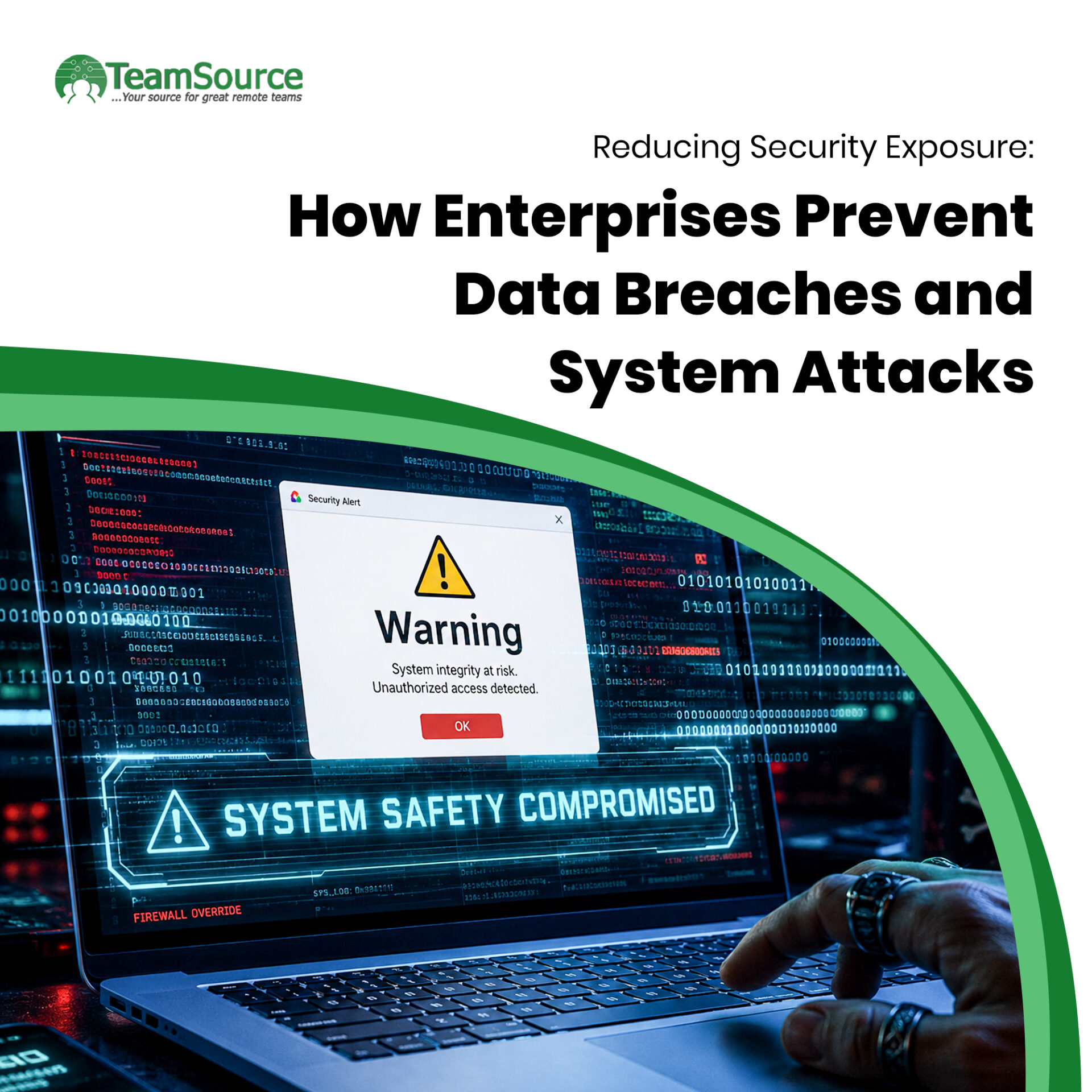
As businesses become more reliant on digital technologies, the risk of cyber threats continues to grow. Data breaches, ransomware attacks, and unauthorized access can disrupt operations, compromise sensitive information, and damage business reputation. For this reason, reducing security exposure has become a top priority for enterprises seeking to protect their systems and maintain business continuity.
The cost of a cyberattack extends beyond financial losses. It can lead to operational downtime, regulatory challenges, and a loss of customer trust. Organizations that take a proactive approach to cybersecurity are better positioned to prevent these risks before they become major incidents.
Undestanding Security Exposure
Security exposure refers to vulnerabilities within an organization’s IT environment that can be exploited by cybercriminals. These weaknesses may exist in networks, applications, devices, or user access controls.
Common sources of security exposure include:
- Outdated software and systems
- Weak password policies
- Unsecured endpoints and devices
- Lack of security monitoring
- Insufficient employee awareness
Even a single vulnerability can create an entry point for attackers.
The Growing Threat of Data Breaches
Cybercriminals are constantly looking for opportunities to access sensitive business information. A successful data breach can expose customer records, financial data, intellectual property, and other critical assets.
The consequences often include:
- Business disruption and downtime
- Financial losses and recovery costs
- Regulatory penalties
- Reputational damage
- Reduced customer confidence
As threats become more sophisticated, enterprises must move beyond basic security measures.
Strategies for Reducing Security Exposure
Preventing system attacks requires a layered approach to cybersecurity. Enterprises can significantly strengthen their security posture by implementing key protective measures.
Effective strategies include:
- Regular security assessments and vulnerability management
- Multi-factor authentication for user access
- Continuous network monitoring and threat detection
- Endpoint protection across devices
- Employee cybersecurity awareness training
- Reliable data backup and recovery solutions
These measures help identify risks early and reduce the likelihood of successful attacks.
The Role of Proactive Security Management
Cybersecurity is most effective when it is proactive rather than reactive. Waiting until after an attack occurs often results in higher costs and longer recovery times.
By continuously monitoring systems, updating security controls, and addressing vulnerabilities, businesses can reduce risk while maintaining operational stability.
Protect Your Business with TeamSource Technologies
Reducing security exposure requires expertise, strategy, and the right technology solutions. TeamSource Technologies helps organizations strengthen their cybersecurity posture through solutions designed to protect critical systems, sensitive data, and business operations.
From risk assessments to advanced security implementations, TeamSource supports businesses in building a resilient security framework that minimizes exposure and improves business continuity.